Test plan and tasks
The questions to answer, the participant profile and realistic tasks.
 WeboolfStart a project ↗Menu +

Usability testing is watching real people try to complete tasks on your website, app or prototype to see where they struggle. Weboolf plans the tasks, recruits or briefs participants, runs the sessions and turns what we observe into clear design changes, so you fix problems before development or before more ad spend.
Strategy-led. Thoughtfully designed. Built to grow.


THE RIGHT STARTING POINT
Before building a new product or major feature, after a redesign prototype is ready, when analytics show where users drop off but not why, or when your team disagrees about a design and needs evidence rather than opinions.
DEFINED SCOPE
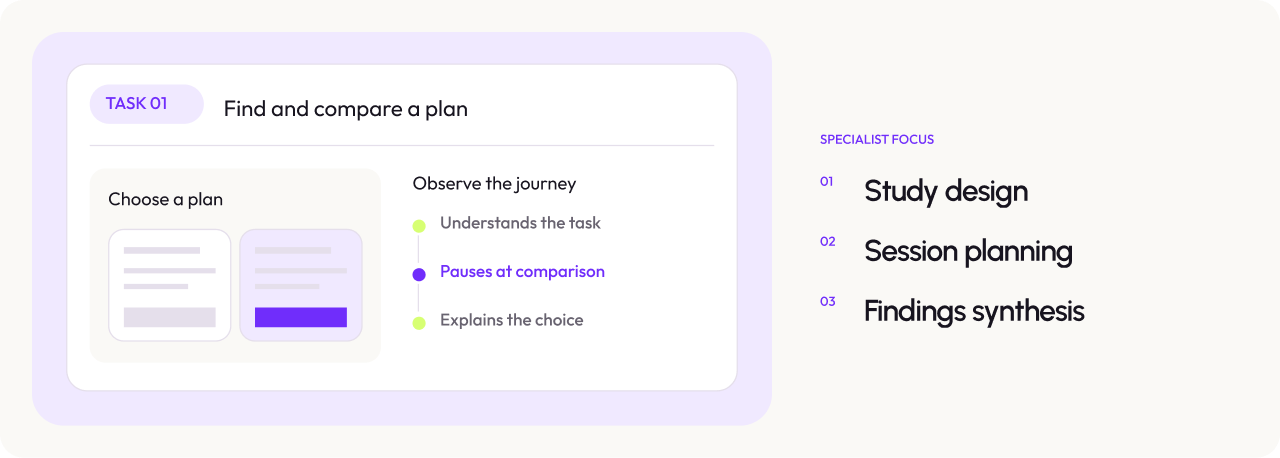
The questions to answer, the participant profile and realistic tasks.

Live sessions over video, or recorded tests users complete on their own.

Patterns across participants, severity ratings and specific design changes.
SELECTED WORK
The thinking, the build and the practical difference it made.
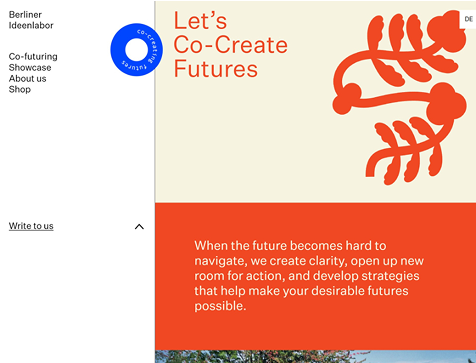
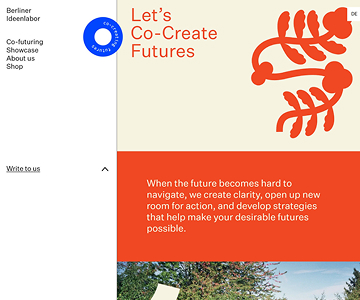
Berliner Ideenlabor needed its approved design built accurately—and a component system the team could reuse. Weboolf delivered the seven-page website with reusable components, a clear content structure and an editor-friendly foundation.
Read the case study ↗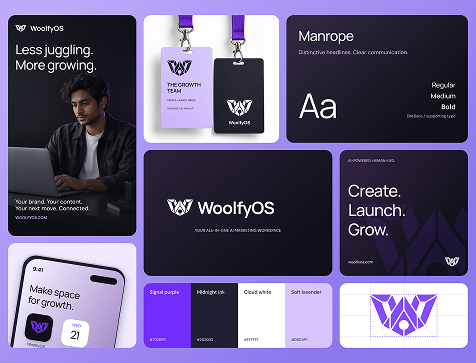
WoolfyOS is Weboolf’s own AI Marketing Operating System, envisioned to bring strategy, content, publishing, advertising, and performance insights into one workspace. Its brand identity gives that ambition a recognizable face: bold in character, focused in expression, and grounded in a clear purpose.
Read the case study ↗Client’s Review
Ahsan is the ideal project partner. He is highly responsive, trustworthy and talented. Working with him was a huge pleasure. I am looking forward to our next project.

Weboolf has built two websites for me, nd I found them cost-effective, and versatile, and accessible. They are always collaborative, I can send on a message for an idea I have for the website, and anytime, and it'll be acted on pretty quickly. And yeah, they'll find cost-effective solutions to your problems, and ways to do things creatively.


He went above and beyond with our website requests, he was paying attention to all details, he is well versed in anything related to webflow and he can deliver anything you want, from design to implementation. He explains everything and he always took the time to explain things if we had questions, totally recommend him 100% to anyone looking for the best webflow expert.


Wonderful experience with professional expertise! I would highly recommend Weboolf for your project. If you are here I would suggest don't look any further! Ahsan understood the project very well and kept me in loop in every step of my project!


Great experience to work with Ahsan. He cares about the project, communicates proactively and goes beyond to deliver on time and on scope. Would definitely recommend!


03 / A CLEAR PROCESS
Goals, participants and tasks agreed.
Run agreed tasks and record observations with appropriate permission.
Findings, highlight clips and prioritised changes.
READY FOR YOUR TEAM
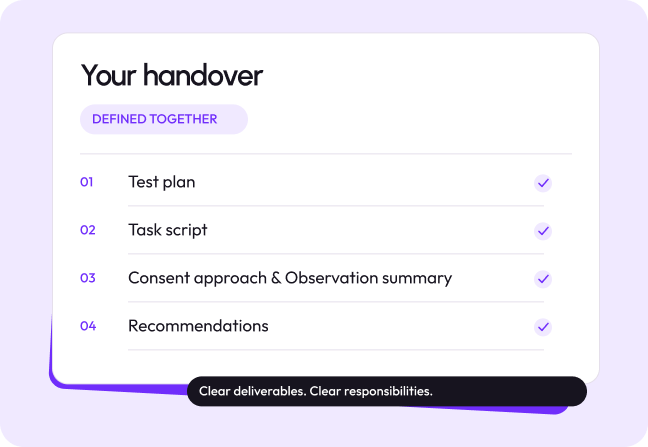
A test plan, session recordings, a findings report with severity ratings, a highlight reel of key moments, and design recommendations, with updated designs if included in scope.
CONNECTED SERVICES



BEFORE WE START
For qualitative testing, five to eight participants per user type usually reveal most major usability problems. More sessions add confidence but return fewer new issues.
Yes. A prototype can answer questions about navigation and task flow before the full product exists. We state which conclusions are limited by prototype fidelity.
Yes, and it's the cheapest time to test. We test clickable Figma prototypes the same way as live products.
Moderated testing lets us ask follow-up questions and suits early concepts. Unmoderated testing is faster and cheaper for checking specific tasks on a finished product.
A UX audit is an expert review; usability testing shows what real users actually do. They work well together.
LET’S MAKE THE NEXT MOVE COUNT
Share your current assets, the problem you want to solve and any fixed requirements. We will review the starting point and explain what this engagement should cover before you commit.
Start a project ↗